Six proprietary technologies, each solving a specific way engines wear out. Together they define what a Johnson oil does that a commodity oil does not.
Every technology on this page starts the same way: with base oil chemistry, not a marketing name. Johnson's PAO (poly-alpha-olefin) synthetic backbone and nano-scale additive engineering are what let each formulation below do what it claims.
Every Johnson formulation carries a defined set of engineered technologies — not marketing labels, but measurable answers to how engines actually fail.
Up to three-quarters of engine wear happens in the seconds after a cold start, before oil reaches the top end. FAST FLOW chemistry keeps viscosity low enough at sub-zero temperatures for the pump to move oil immediately — full-pressure lubrication in the moment it matters most.
Full details →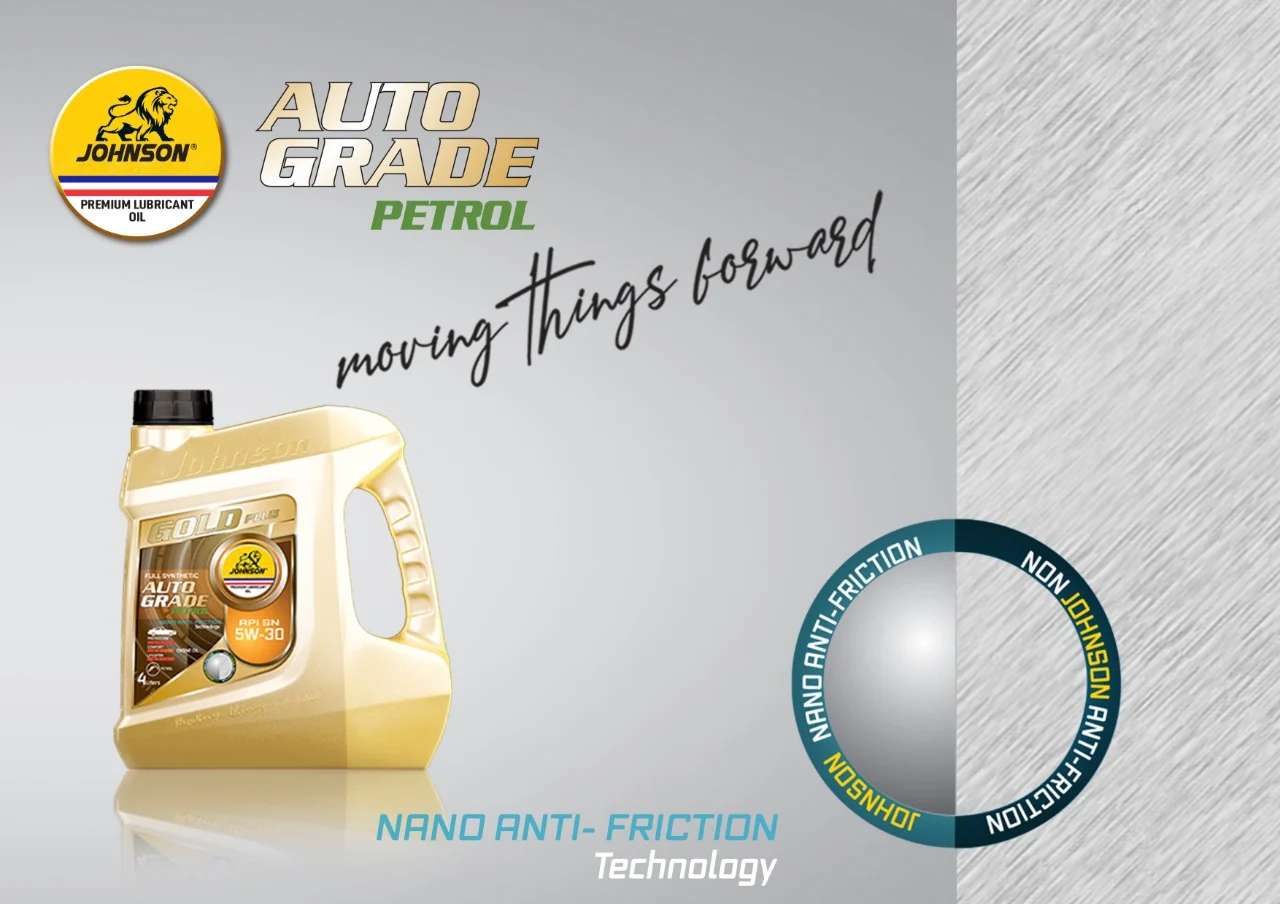
Nano-scale friction modifiers deposit a molecular film on cylinder walls and bearing surfaces, filling microscopic imperfections that ordinary additives bridge over. Less boundary friction means less parasitic loss, cooler running components and measurably lower fuel consumption.
Full details →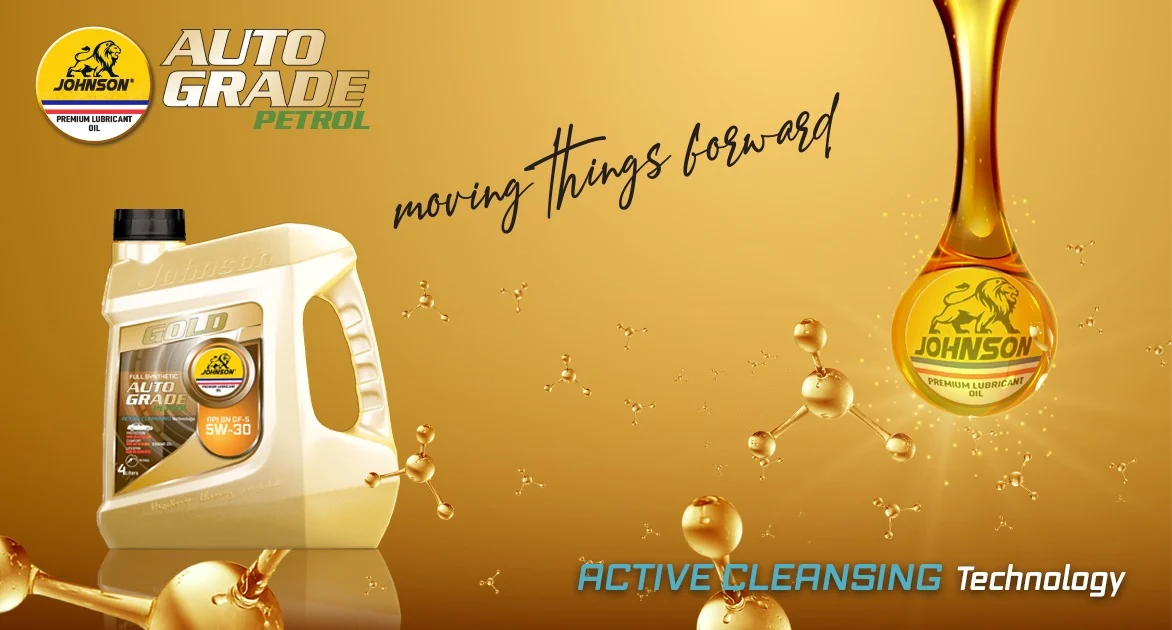
High-detergency and dispersant additives capture combustion by-products and carry them in suspension to the filter instead of letting them settle. The engine gets progressively cleaner over the drain interval rather than progressively dirtier.
Full details →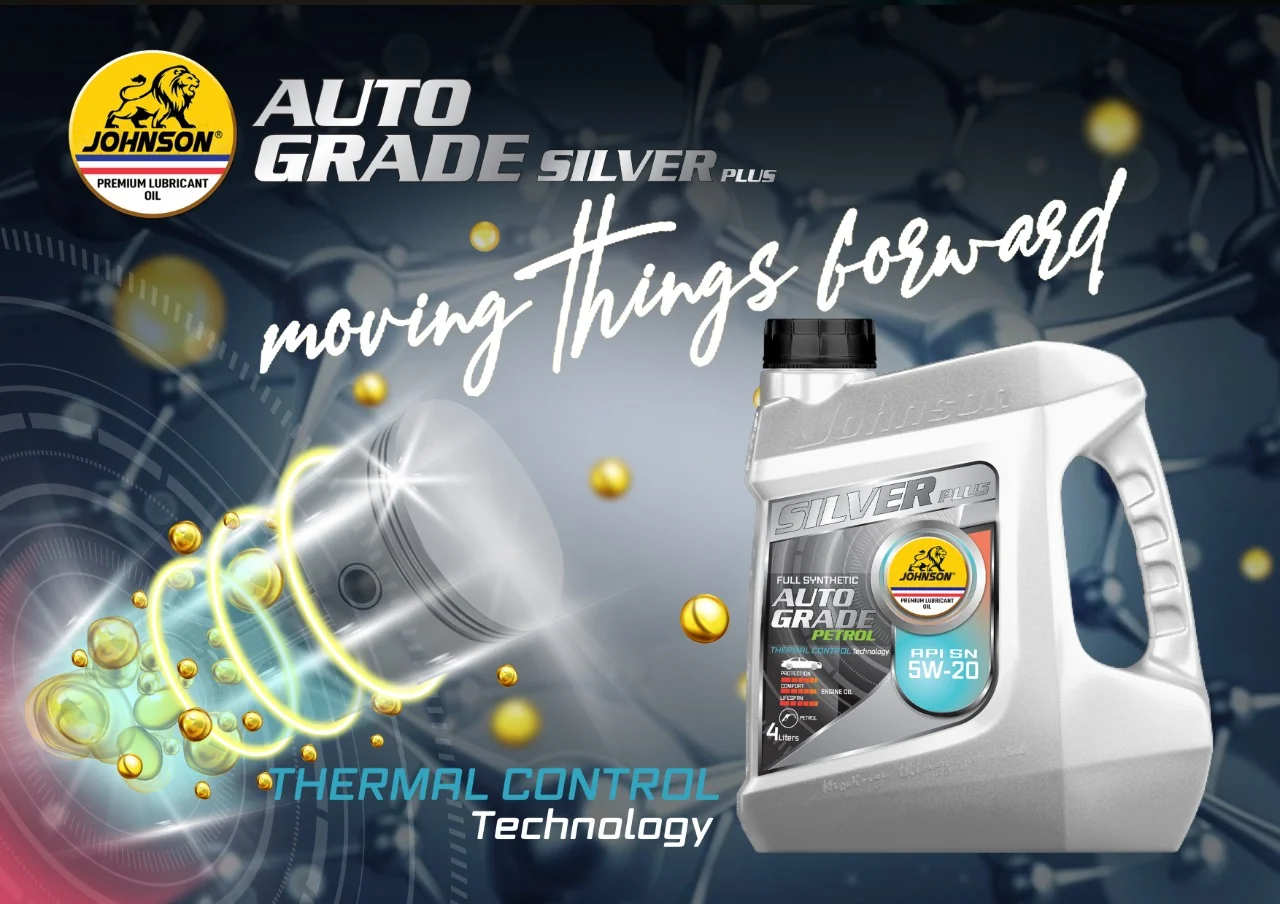
Turbochargers push oil past 200 °C, where ordinary base stocks oxidize and thicken. Our PAO synthetic backbone and antioxidant package hold viscosity stable across the full temperature range — from Arctic cold start to sustained desert load.
Full details →
Low-Speed Pre-Ignition can destroy a modern turbocharged GDI engine in a single event. Precisely balanced calcium and magnesium detergent chemistry suppresses the conditions that trigger LSPI, protecting pistons and timing chains in exactly the engines most at risk.
Full details →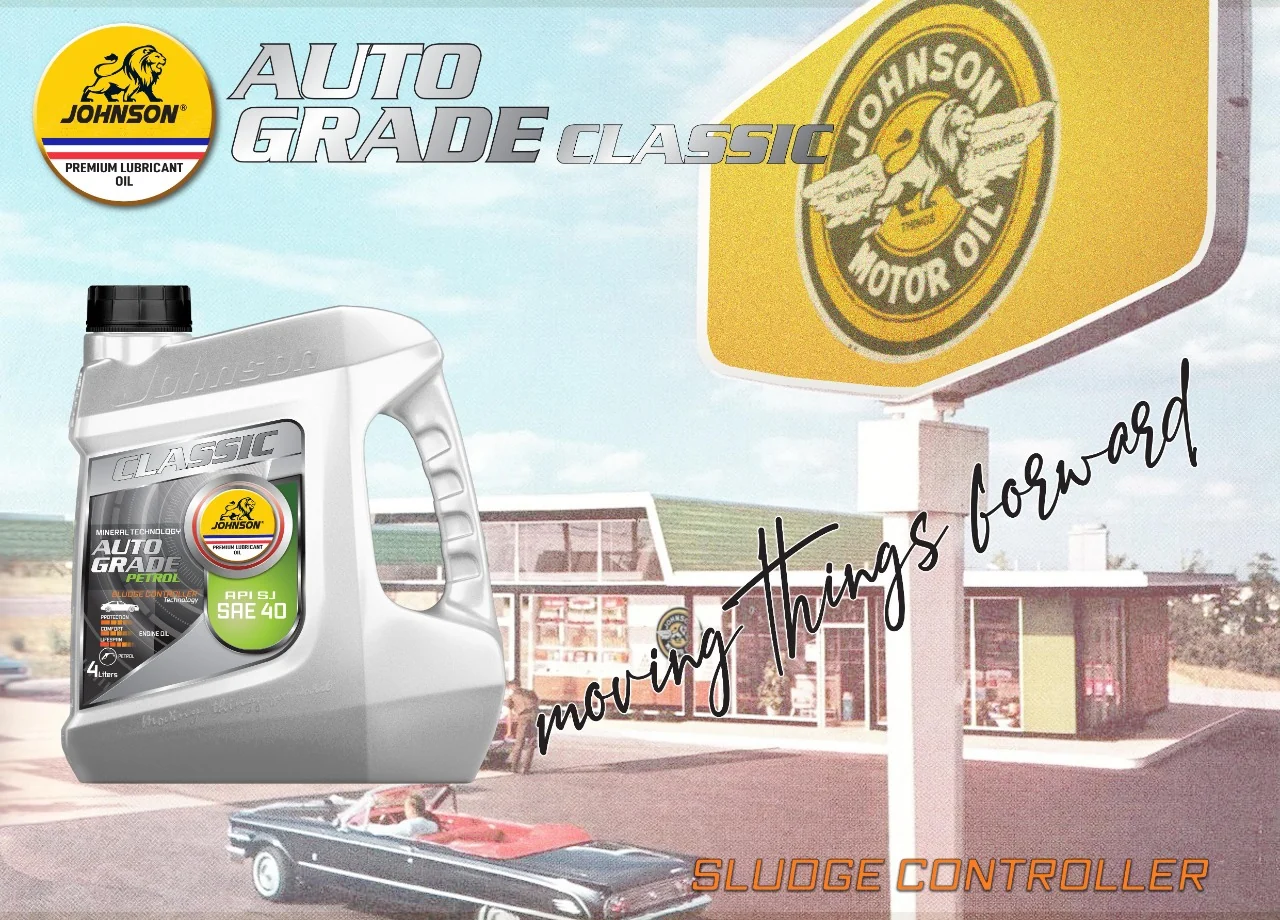
Sludge is what finally kills an engine that was otherwise healthy. Our dispersant system — refined since the first Johnson blending plants of the 1930s — keeps deposit precursors soluble, protecting oil galleries and pickup screens over long drain intervals.
Full details →Distribution, private label and toll manufacturing — one certified platform, multiple ways to partner.